
-
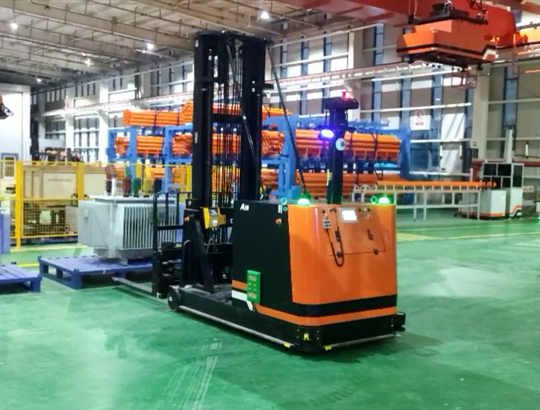 Forklift handling mobile robot
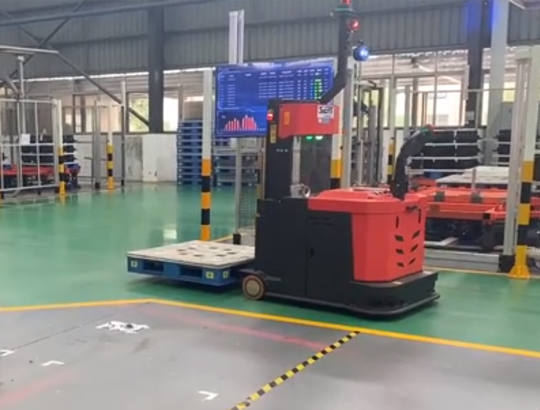 Reach mobile robots
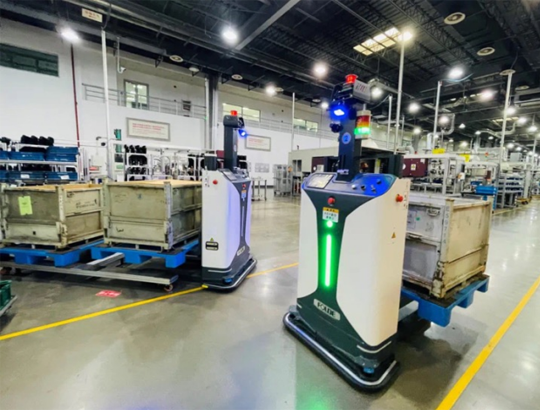 SLIM
SLIM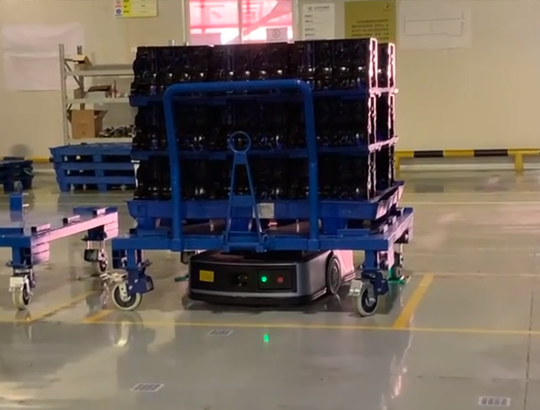 Jacking robot
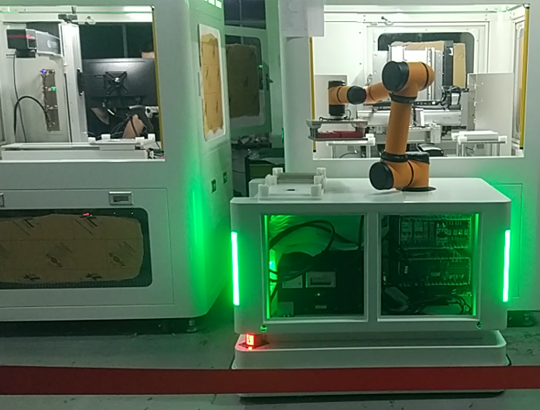 Cooperation robot
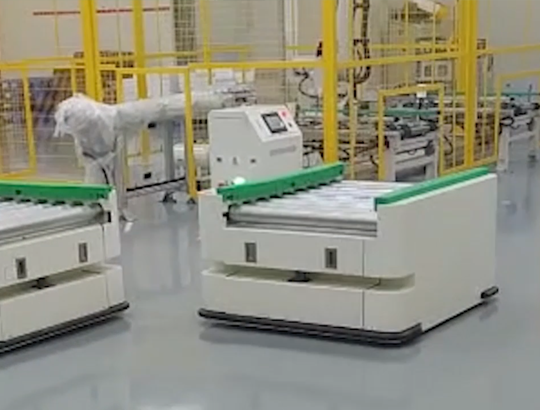 Roller mobile robot
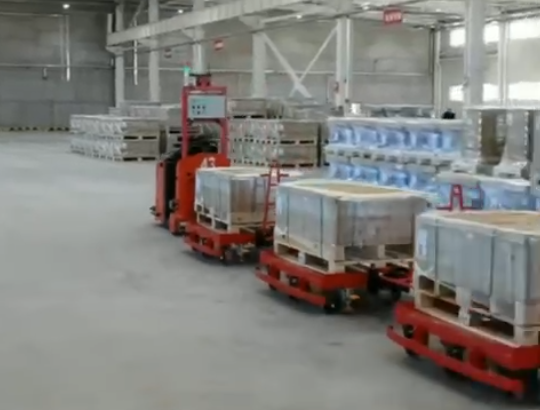 Towing mobile robot
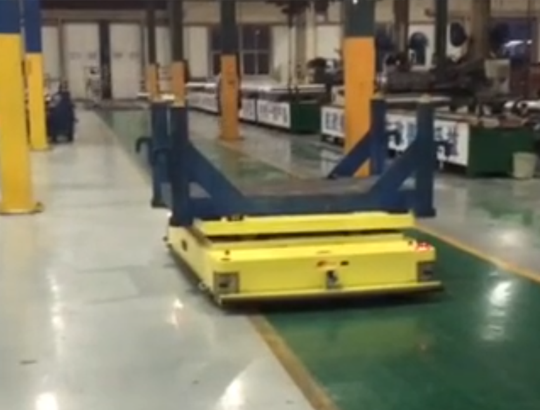 Platform handling robot
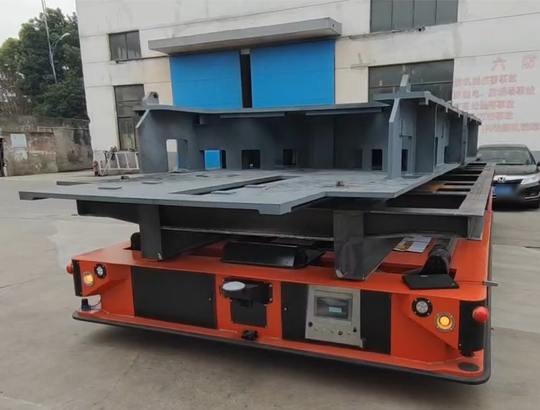 Heavy-load robot
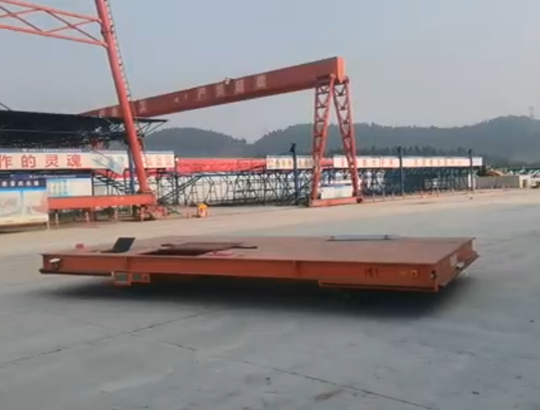 Outdoor loading mobile robot
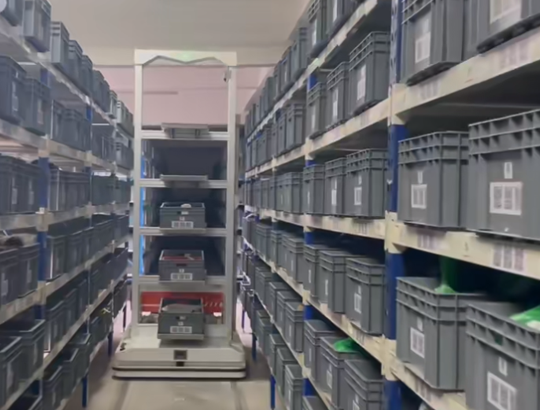 Pick robot
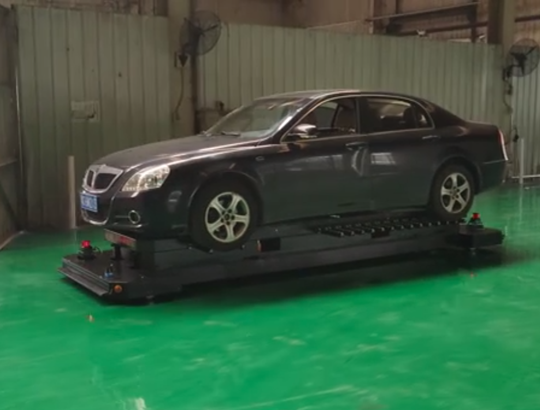 Parking robot
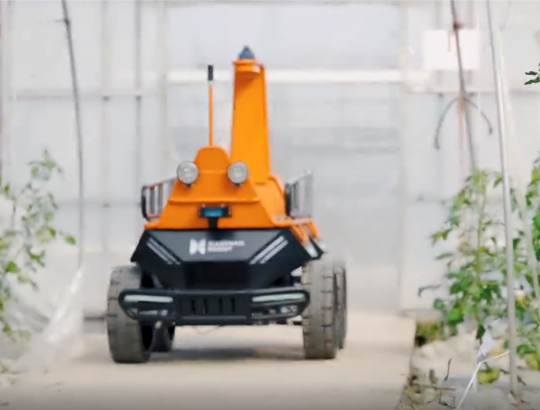 Agricultural robot
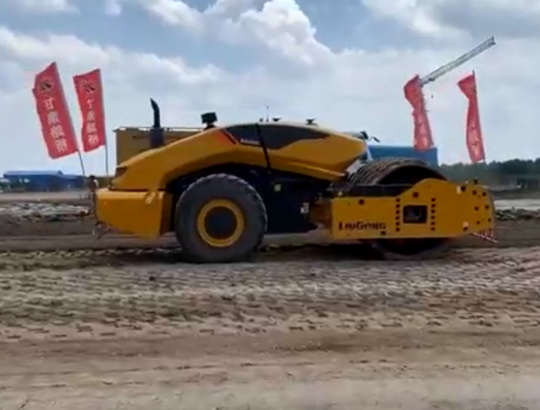 Driverless Road Roller robot
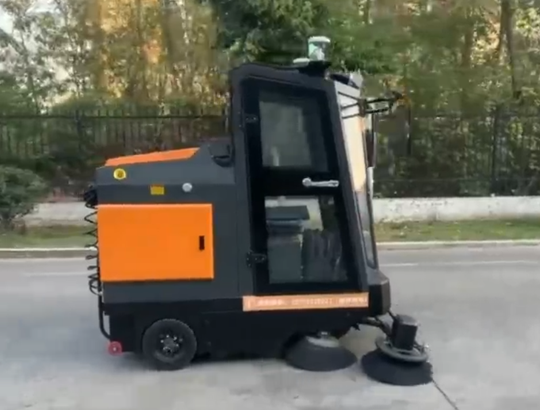 Driverless Sanitation vehicle

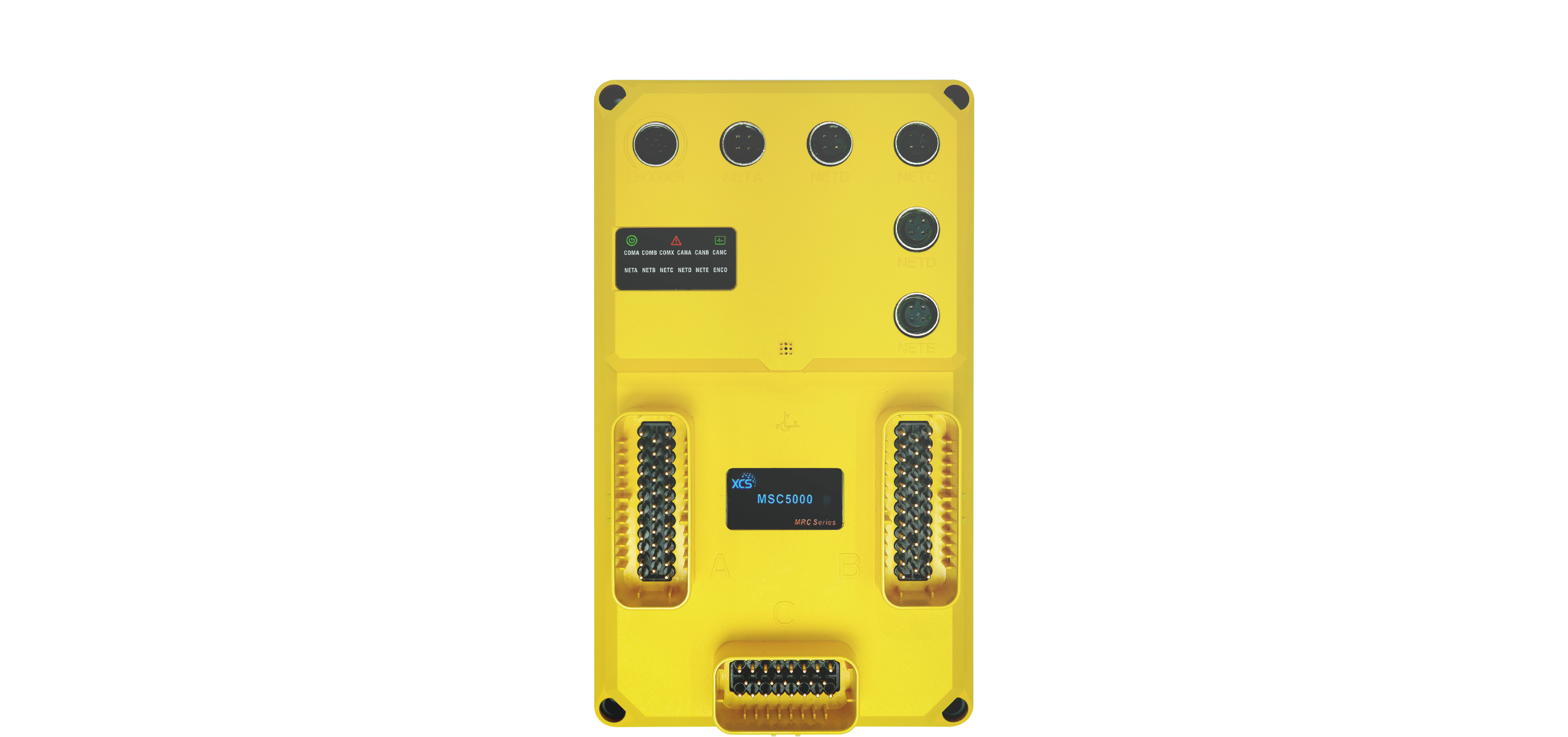




















Industry introduction
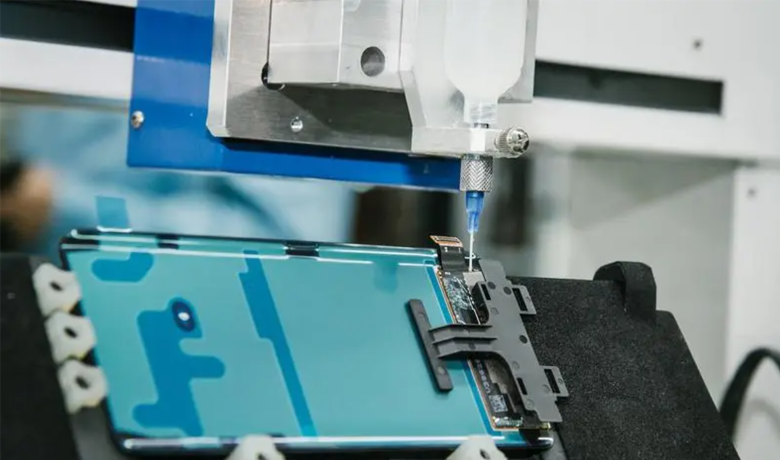
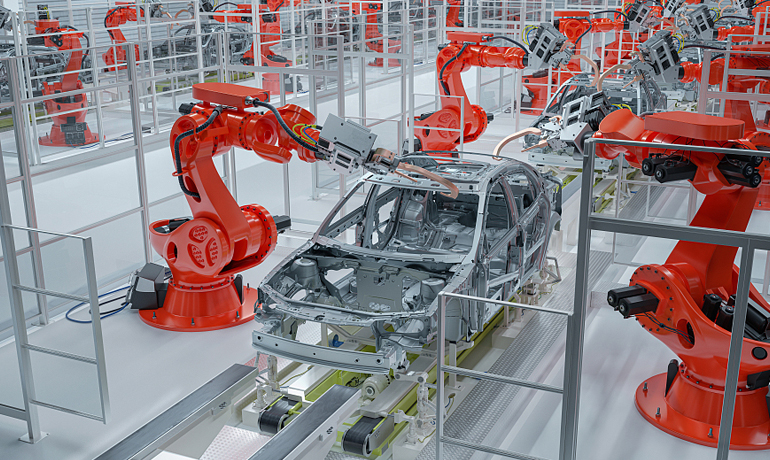
Automotive is one of the world's largest and most important industries with the highest output value and occupies a considerable proportion of the global manufacturing industry. With the upgrading of consumption and diversification of market demand, the automotive industry needs more efficient and flexible production methods to meet the market demand under fierce competition.
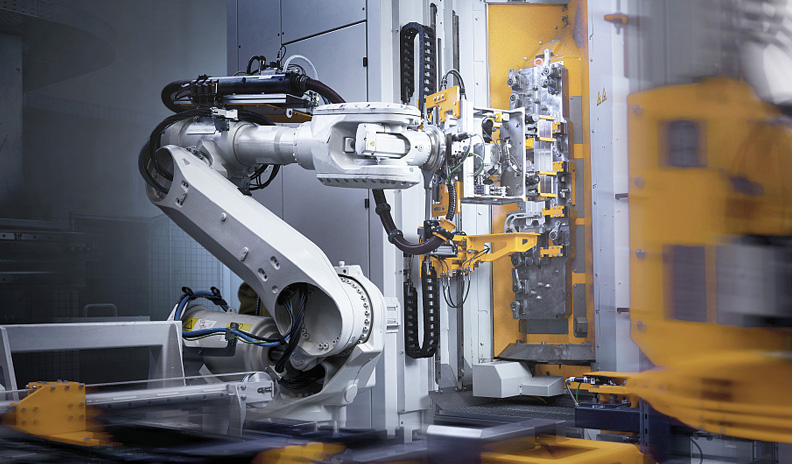
Along with the continuous upgrading and innovation of the automotive industry, mobile robots (AGV/AMR) play a more and more important role in the automotive manufacturing production line with their unique technical advantages of high efficiency, flexibility, and safety.
Along with the continuous upgrading and innovation of the automotive industry, mobile robots (AGV/AMR) play a more and more important role in the automotive manufacturing production line with their unique technical advantages of high efficiency, flexibility, and safety.
Link
Transport
Automotive factories are always big and complex places, with chaotic warehouses and goods prone to transport delays and errors. Therefore, we can utilize mobile robots to maintain transportation throughout the process chain, increase vehicle integrity, and reduce error rates.
Recommended car models:Jacking robot

Assembly shop
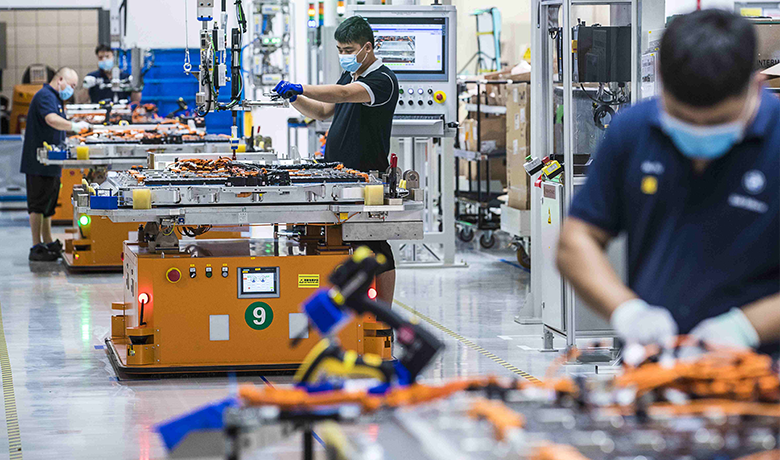
Mobile robots can be used for automotive assembly line production, for example, the disassembly and installation of automotive components, as well as to complete some of the assembly work that requires high precision, such as the interior line, chassis assembly line, final line, and another assembly line, as well as the engine sub-assembly, instrumentation sub-assembly, front and rear suspension sub-assembly and another sub-assembly line, can be used as a mobile robot assembly of the carrier of the workpiece, to improve the production efficiency and quality.
Recommended car models:Platform handling robot

Assembly parts
Mobile robots can take on some of the tasks of vehicle assembly, such as welding support frames to sheet metal frames and installing parts such as seats and doors. To reduce safety risks, these operations are usually done by remote control.
Recommended car models:Cooperation rotot

Transportation and storage of parts
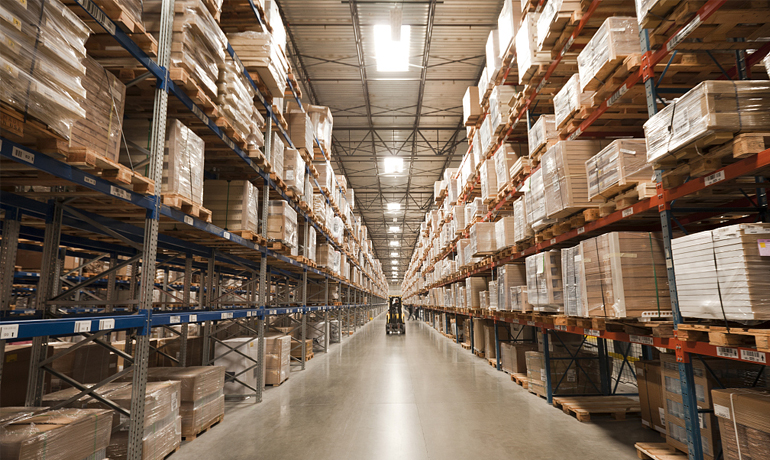
In-plant logistics covers inbound unloading, receiving and warehousing, storage, material preparation, distribution, line management, and other aspects of the process that are difficult, and mobile robots can carry parts and components, free traveling in the workshop, the required tools and parts to the required production lines and workstations, and can be safe and effective storage of these items.
Recommended car models:SLIM(fork type)

Acceptance
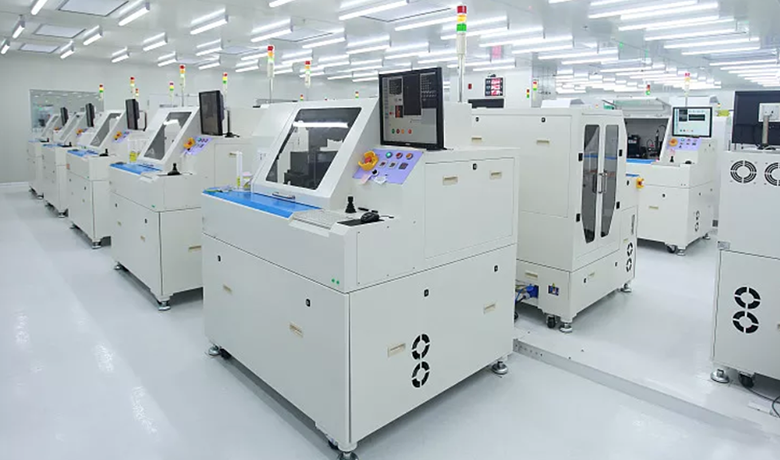
Mobile robots can use cameras, sensors, and other equipment in the inspection process to help factories check the quality of their products, such as detecting any leaks or irregularities, to ensure that every vehicle produced meets standards and that problems are detected and repaired promptly.
Recommended car models:Platform handling robot

© 2023 Zhejiang KeCong Control Technology Co., Ltd .All rights reserved. |Let mobile robot service human beings Zhejiang police No.33052302000842
sitemap.xml